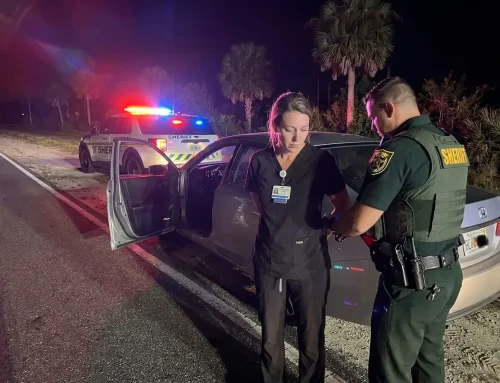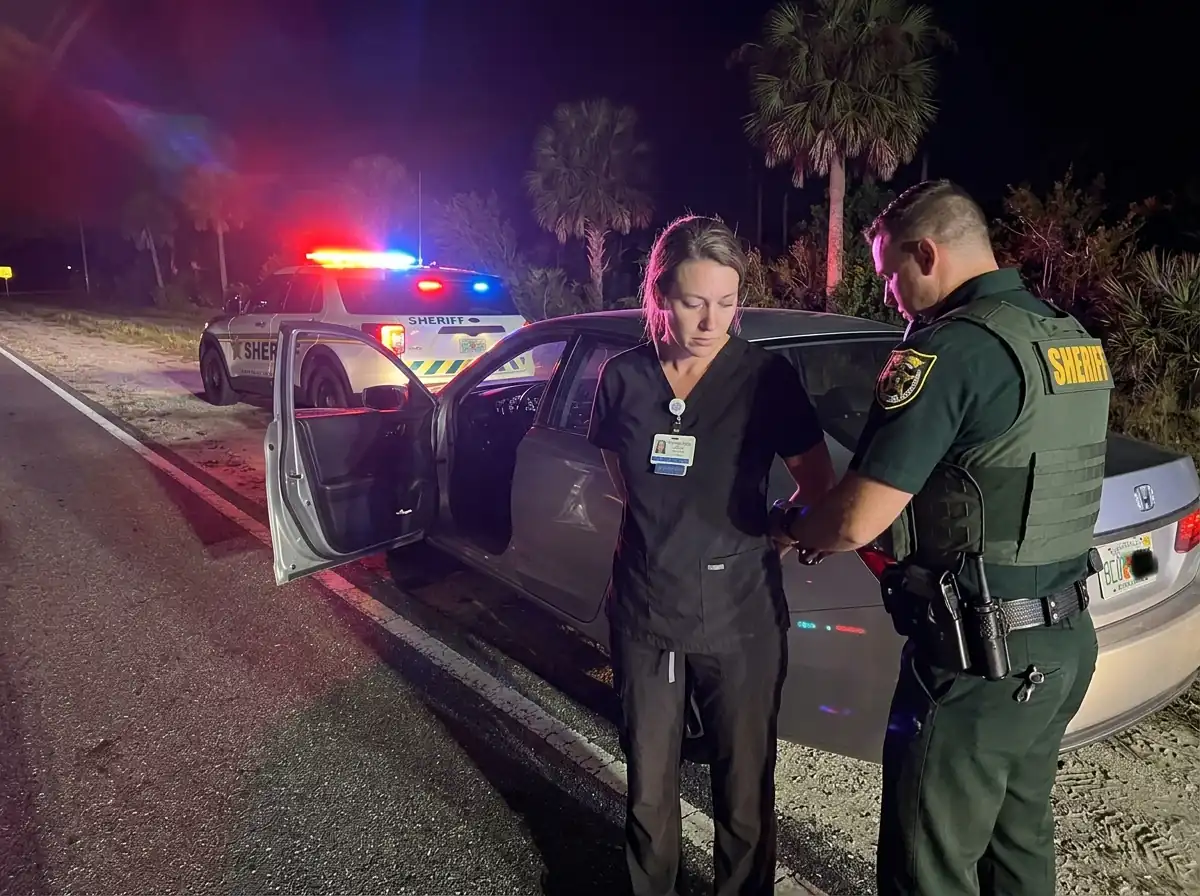

Yes, a first offense DUI can be dismissed in Tampa, but it doesn’t happen automatically and it doesn’t happen in most cases. A DUI is usually dismissed because of a problem with the State’s evidence: an illegal traffic stop, an arrest without probable cause, a breath test that wasn’t done by the rules, or video that contradicts the officer’s report. When those problems are serious enough, the prosecutor may drop the charge or a judge may throw out the evidence the case depends on. When a full dismissal isn’t realistic, many first-time offenders still avoid a DUI conviction through a reduction to reckless driving or the RIDR diversion program. Here’s how first offense DUI dismissals actually work in Tampa and what can improve your chances.
Key Summary
- A first offense DUI in Tampa can be dismissed when the State’s evidence has a serious legal or factual problem, such as an illegal stop, no probable cause for the arrest, or an improperly administered breath test.
- Most DUI dismissals happen when the State Attorney’s Office drops the charge, called a nolle prosequi, or when a judge suppresses key evidence after a motion filed by the defense.
- Dismissals are uncommon in Hillsborough County, and many first-time DUI cases that are not dismissed are instead reduced to reckless driving or resolved through the RIDR diversion program.
- A dismissed DUI is generally eligible to be expunged in Florida if the person has never been adjudicated guilty of a crime, while a DUI conviction can never be sealed or expunged.
- Dismissing the criminal DUI case does not automatically undo the administrative license suspension, which must be challenged within 10 days of the arrest.
What Does It Mean When a DUI Is Dismissed?
People use the word “dismissed” to describe several different outcomes. The difference matters for your record.
The State Drops the Charge
The most common form of dismissal is a nolle prosequi, often called a “nolle pros.” The prosecutor formally announces that the State will no longer pursue the case. This usually happens after the defense exposes a weakness the State can’t overcome, or after a judge rules that important evidence can’t be used. A prosecutor can also decline to file formal charges at all, which is called a “no information.”
A Judge Dismisses the Case
A judge can dismiss a DUI case in limited situations, such as when the undisputed facts don’t establish a crime or when a deadline under the Florida Rules of Criminal Procedure has passed. More often, the judge grants a motion to suppress evidence, and the State then drops the case because it can no longer prove it.
A Not Guilty Verdict
An acquittal at trial isn’t technically a dismissal, but the result is similar. There’s no conviction, and the record is generally eligible for expunction.
How Often Are DUI Cases Dismissed in Tampa?
It’s important to be realistic. Hillsborough County has historically had one of the highest DUI conviction rates in Florida. An analysis of state citation data from 2015 found that roughly 80 percent of DUI charges in the county ended in conviction, and only about 2 percent were dismissed. Those numbers don’t tell the whole story, because they don’t count cases that were reduced to reckless driving or resolved through diversion. But they do show that a dismissal is something your defense has to earn. It comes from finding real problems in the evidence, not from waiting for the case to go away.
Common Reasons a First Offense DUI Gets Dismissed
Every DUI case is built step by step, and each step has legal requirements. When one of those steps fails, the case can fall apart.
The Traffic Stop Was Illegal
Under the Fourth Amendment, an officer needs reasonable suspicion of a traffic violation or crime to pull you over. If the stop wasn’t justified, everything that followed, including field sobriety tests and breath results, may be suppressed. Without that evidence, the State often can’t move forward.
There Was No Probable Cause for the Arrest
Even after a lawful stop, the officer needs probable cause to believe you were impaired before making an arrest. The smell of alcohol or admitting you had a drink isn’t always enough. If the officer’s observations don’t support impairment, the arrest itself can be challenged.
The Breath Test Wasn’t Done by the Rules
Breath testing in Florida is governed by detailed rules in Florida Administrative Code Rule 11D-8.007. Among other things, the operator must confirm you didn’t eat, drink, or regurgitate for at least 20 minutes before the test. The instrument must also be properly inspected and registered. A missed observation period or a lapse in maintenance records can make the result inadmissible.
The Field Sobriety Tests Were Flawed
Field sobriety tests are supposed to follow standardized procedures. Poor instructions, uneven ground, bad weather, footwear, injuries, and medical conditions can all produce results that look like impairment when they aren’t.
The Video Tells a Different Story
Body camera and dash camera footage is often the most powerful evidence in a DUI case. When the video shows clear speech, steady balance, or normal driving that doesn’t match the arrest report, prosecutors take notice. In my experience, video is one of the most common reasons DUI cases are dropped or reduced.
Problems With a Refusal Case
If you refused a breath test, the State has no BAC number and must rely on the officer’s observations. Under Florida’s implied consent law, the refusal can still be used against you, and since Trenton’s Law took effect in October 2025, a first refusal can also be charged as a separate offense. Refusal cases can be easier to challenge on impairment, but they carry their own risks.
Can Speedy Trial Get a DUI Dismissed?
Florida’s speedy trial rule is often misunderstood. Under Rule 3.191, the State generally has 90 days to bring a misdemeanor DUI to trial. Since July 1, 2025, that clock starts when you’re formally charged, not when you’re arrested. If the time runs out, the defense must file a notice, and the State then gets a mandatory 30-day recapture period to bring the case to trial. A discharge under the rule is now generally without prejudice unless your constitutional right to a speedy trial was violated. In practice, speedy trial alone rarely ends a DUI case, but it can create pressure and leverage in the right situation.
Dismissal vs. Reduction: What’s Realistic for a First DUI?
For many first-time offenders, the most realistic goal isn’t a dismissal. It’s avoiding a DUI conviction. The RIDR program in Tampa allows eligible first-time offenders to have the DUI reduced to reckless driving with a withhold of adjudication after completing sanctions. Other cases resolve through a negotiated plea to reckless driving based on weaknesses in the State’s evidence. The best strategy often pursues both paths at once. Your attorney challenges the evidence through motions while keeping diversion or a reduction available. Every weakness you uncover improves your position, whether the case ends in a dismissal or a better plea offer.
Does a Dismissal Restore Your Driver’s License?
Not automatically. Your criminal case and your administrative license suspension are separate. The suspension issued at your arrest is handled by the Florida Department of Highway Safety and Motor Vehicles under Section 322.2615 of the Florida Statutes. You have only 10 days from the arrest to request a formal review hearing or pursue a hardship license. Waiting to see what happens with the criminal case can cost you your driving privileges.
Can a Dismissed DUI Be Expunged?
In most cases, yes. Under Section 943.0585 of the Florida Statutes, a record may be eligible for expunction when the case was dismissed, dropped by the State, or ended in an acquittal, as long as you’ve never been adjudicated guilty of a crime and meet the other requirements. The process starts with a certificate of eligibility from the Florida Department of Law Enforcement. That’s a major advantage over a DUI conviction, which can never be sealed or expunged. Our DUI sealing and expungement page explains the process.
How to Improve Your Chances of a Dismissal
The strongest dismissal cases are built early. A few steps make a real difference.
Hire a Lawyer Before Evidence Disappears
Surveillance video from businesses near the stop, 911 calls, and dispatch records can be lost or overwritten if no one requests them quickly. An early request can preserve evidence that supports your defense.
Write Down What Happened
Record what you ate and drank, when you started and stopped, where you were stopped, and what the officer said. Details that seem small now can become important later.
Don’t Talk About Your Case
Anything you say to friends, on social media, or to anyone other than your attorney can be used against you.
Let Your Attorney Review the Full File
From my time as a prosecutor, I can tell you the State weighs the strength of its own evidence every time it decides whether to drop, reduce, or try a DUI case. A defense that identifies real problems in the video, the testing, or the stop gives the prosecutor a reason to reconsider.
Talk to a Former Prosecutor About Your Case
A first offense DUI arrest doesn’t have to end in a conviction. Whether the best outcome is a dismissal, a reduction, or diversion depends on the evidence, and that evidence needs to be reviewed early.
If you’ve been arrested for DUI in Tampa or anywhere in Hillsborough County, contact Brian Palacios Law for a free consultation, available 24/7. I’ll review the evidence in your case, explain whether a dismissal is realistic, and fight for the best possible outcome from the very beginning.