

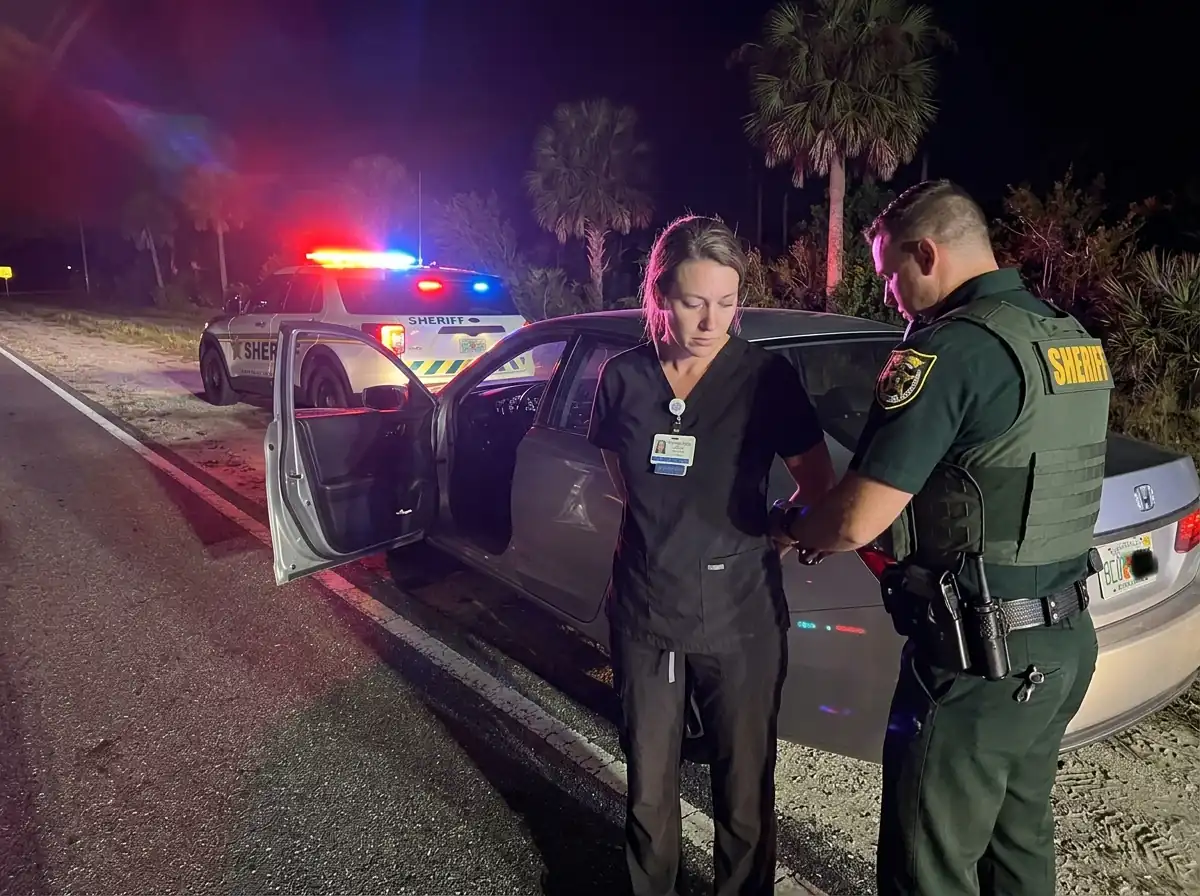
A single first-time DUI usually will not cost you your Florida nursing license, but it can put that license at risk, and how you respond matters as much as the arrest itself. The Florida Board of Nursing does not automatically revoke a license over a DUI. It reviews each case on its own facts. What turns a manageable situation into a serious one is failing to report the arrest or conviction, a DUI that points to a substance abuse problem, or a repeat or aggravated offense. If you are a nurse arrested for DUI in Tampa, protecting your career starts with how the criminal case is handled from day one.
Does a DUI automatically end your nursing license in Florida?
No. There is no rule that a DUI, on its own, ends your license. The Board of Nursing, which operates under the Florida Department of Health, reviews criminal convictions case by case, and a first-time DUI with no injuries and no sign of an ongoing substance problem rarely leads to suspension or revocation. That does not mean you can ignore it. A DUI still triggers reporting duties and can open a disciplinary review, and the outcome depends heavily on the facts and on whether you handle the process correctly.
Do you have to report a DUI to the Florida Board of Nursing?
Yes, and this is where many nurses get into more trouble than the DUI itself would have caused. Under Florida Statute § 456.072(1)(x), you must report in writing to the Department of Health within 30 days after you are convicted of, or plead guilty or no contest to, a crime, and a DUI counts. That duty applies even if the court withholds adjudication, even if the charge is reduced, and even if the record is later sealed. You will also be asked about the DUI when you renew your license or apply for a new one, and failing to disclose it there can lead to denial.
Not reporting is its own separate violation, and the Board often treats a cover-up more harshly than the underlying offense. In my experience, the people who end up in the worst position are rarely the ones with the most serious DUI. They are the ones who stayed quiet and hoped no one would find out. If there is one thing to take from this, it is that staying silent is not a safe strategy.
When does a DUI put your nursing license in real danger?
The Board looks hardest at a DUI that suggests you cannot practice safely. Under Florida Statute § 464.018, the Nurse Practice Act allows discipline when a nurse is unable to practice with reasonable skill and safety because of alcohol or substance use, or is convicted of a crime that relates to the practice or the ability to practice nursing.
A high breath reading, a crash with injuries, a DUI while on duty or on hospital grounds, a prior record, or prior discipline all raise the stakes. In those cases the Board can impose anything from a reprimand or probation with conditions like a substance abuse evaluation, up to suspension or revocation, and in the most serious cases an emergency suspension order that pulls your license while the case is still pending. An isolated lapse is treated very differently from a pattern that points to dependence.
What is IPN, and will you have to enroll?
IPN is the Intervention Project for Nurses, Florida’s monitoring program for nurses whose cases involve alcohol or substance use. When a DUI raises a concern about impairment, the Board may require you to undergo an evaluation and, if indicated, enter an IPN monitoring contract, which often runs for several years and can include testing, treatment, and restrictions on your practice.
IPN is sometimes offered as an alternative to formal discipline, so for the right case it can be a way to keep your license rather than lose it. It is also a serious, long commitment, and whether it helps or hurts you depends on the specifics, which is why it is worth getting advice before you agree to anything.
I have watched these cases go in very different directions depending on how early someone takes the situation seriously. A nurse who gets ahead of it, with counsel and, when it genuinely makes sense, a voluntary evaluation, almost always stands in a stronger spot than one who waits for the Board to move first.
How to protect your nursing license after a Tampa DUI
The most effective way to protect your license is to keep the DUI from becoming a conviction in the first place. Eligible first-time offenders in Hillsborough County may qualify for the RIDR program (Reducing Impaired Driving Recidivism), which can reduce a DUI to reckless driving, an outcome that looks very different to the Board than a DUI conviction.
A first DUI also often has real defenses, including the legality of the stop, the maintenance and calibration of the breath instrument, and how the field sobriety exercises were conducted. A reduction or dismissal on the criminal side directly limits your exposure on the licensing side.
At the same time, you still have to meet your reporting obligations correctly, because getting that part wrong can undo a good result in the criminal case. The clients I have seen come through this with their careers intact are the ones who treated the criminal case and the licensing side as one problem from the very start, not two separate fires to put out later.
Talk to a Tampa DUI lawyer who understands what is at stake for nurses
For a nurse, a DUI is more than a criminal case. It is a threat to your livelihood, and the two are connected. Brian Palacios is a Tampa DUI and criminal defense attorney and a former State Prosecutor for Florida’s 13th Judicial Circuit. He knows how the State builds a DUI and where it comes apart, and he fights the underlying charge with your career in mind, because a strong result in the criminal case is the first and best protection for your license.
If you are a nurse arrested for DUI in Tampa or anywhere in Hillsborough County, call (813) 461-3457 for a free, confidential consultation. The sooner you call, the more can be done to protect both your record and your license.
Written by Brian Palacios, a Tampa DUI and criminal defense attorney and former State Prosecutor for Florida’s 13th Judicial Circuit. Reviewed and last updated October 2026.