

Field Sobriety Tests in Tampa DUI Cases





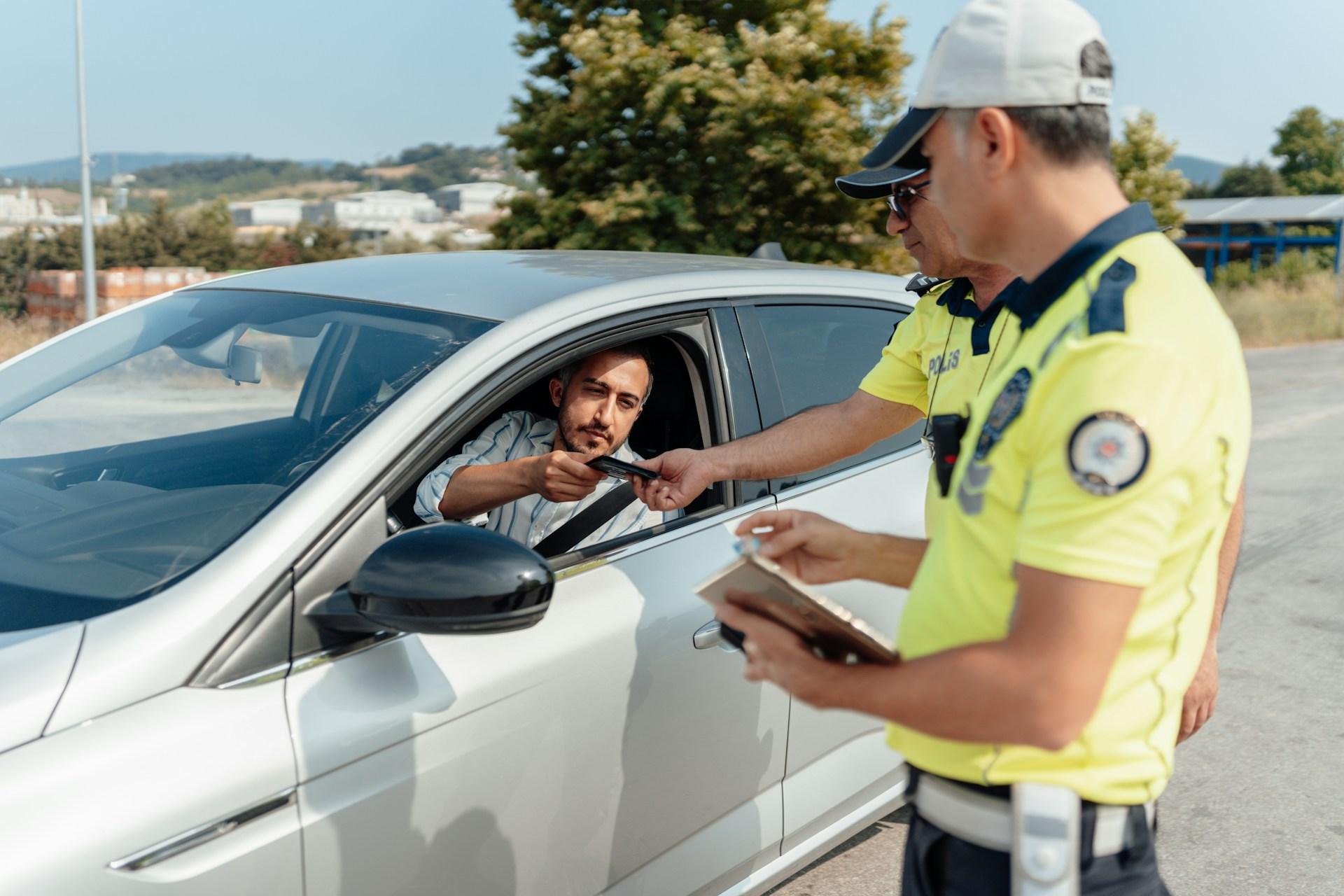
Understanding Field Sobriety Testing in Tampa, Florida
Field sobriety tests are a common tool used by law enforcement officers in Tampa, Florida to determine if a driver is impaired. These tests or exercises typically consist of three parts: the horizontal gaze nystagmus (HGN) test, the walk-and-turn test, and the one-leg stand test.
The results of this test help the officer assess the driver’s level of impairment and provide evidence to support a DUI charge in court. It is important to note that these tests are subjective and can be influenced by various factors such as fatigue, nervousness, or medical conditions. A skilled defense attorney can challenge the reliability and accuracy of these tests in court.
Understanding the Purpose of a Field Sobriety Test
The primary purpose of a field sobriety test is to help law enforcement officers gauge whether a driver is under the influence of alcohol or other substances that could impair their driving ability. The goal is to ensure public safety by removing potentially intoxicated drivers from the road.
Here’s a look at how these tests serve this purpose:
- Detection of signs of impairment: Field sobriety tests are designed to assess a driver’s physical and cognitive abilities, both of which can be significantly affected by intoxication. These tests often involve tasks that require balance, coordination, attention, and the ability to follow instructions, skills that are necessary for safe driving.
- Evidence gathering for DUI cases: Performance on field sobriety tests can provide evidence in court cases related to Driving Under the Influence (DUI). If a driver fails these tests, the results can be used by prosecutors to support their case.
- Establishing probable cause for arrest: Law enforcement officers need probable cause to arrest someone for DUI. Poor performance on field sobriety tests can suggest impairment, providing this legal requirement.
It is crucial to remember that while these tests aim to be objective measures of impairment, they are not foolproof.
How Does a Field Sobriety Test Work?
Field sobriety tests are a collection of physical and cognitive tasks designed to gauge whether a driver is impaired by alcohol or drugs. They are usually administered roadside where an officer suspects a driver may be under the influence.
The officer’s initial observation
Before a field sobriety test is conducted, law enforcement officers will observe your driving behavior for signs of impairment. These could include:
- Erratic driving: Sudden changes in speed or direction, inability to maintain lane position, or inappropriate braking
- Violation of traffic laws: Running a red light, failing to signal, or failing to yield right of way
- Physical appearance and behavior: Bloodshot eyes, slurred speech, and an odor of alcohol
Administration of field sobriety tests
Once the officer observes enough signs that suggest possible impairment, they can proceed to ask you to carry out a series of standard field sobriety tests. These are physical and cognitive tests designed to assess your level of possible impairment due to alcohol or drugs.
Note: It’s important to remember that you have the right to refuse these tests, but doing so may have legal consequences.
Evaluation and decision
After you complete the tests, the officer will consider your performance alongside their initial observations to determine if there is probable cause for a DUI arrest.
It’s noteworthy that while these tests are designed to be objective, various factors such as medical conditions, nervousness, or even poor lighting conditions can affect your performance.
What Are the 3 Standard Field Sobriety Tests?
In Tampa, Florida, as well as throughout the United States, law enforcement officers typically administer three standard field sobriety tests to assess potential impairment due to intoxication. There are other tests, but these are the most common ones. These tests are scientifically validated and are used as a part of the evidence-gathering process during a Driving Under the Influence (DUI) investigation.
1. Horizontal Gaze Nystagmus (HGN) Test
The Horizontal Gaze Nystagmus or HGN test is based on an involuntary jerking motion that occurs when one’s eye gazes to the side. This jerking motion, called nystagmus, becomes exaggerated when a person is impaired by alcohol.
During this test, an officer moves an object like a pen or small flashlight back and forth in front of the driver’s eyes and observes their eye movements. The officer will look for three indicators of impairment in each eye:
- If the eye cannot follow a moving object smoothly
- If jerking is distinct when the eye is at maximum deviation
- If the angle of onset of jerking is within 45 degrees of center
2. Walk-and-Turn Test
The Walk-and-Turn test assesses a driver’s ability to complete tasks that require mental and physical multitasking, capabilities that are often impaired by alcohol.
In this test, the officer instructs the driver to take nine steps in a straight line while touching heel-to-toe, turn on one foot, then return in the same manner. The officer will then observe if the driver can follow instructions while maintaining balance.
3. One-Leg-Stand Test
The One-Leg-Stand test evaluates balance and attention, two factors that can be affected by intoxication.
For this test, drivers are instructed to stand with one foot approximately six inches off the ground and count aloud by thousands (One thousand-one, one thousand-two, etc.) until told to put the foot down. The officer will observe for signs of impairment such as swaying, hopping, or using arms for balance.
Legal Basis for Field Sobriety Tests in Florida
Field Sobriety Tests (FSTs) are crucial tools utilized by law enforcement officers in Florida and across the United States to determine if a driver is impaired by alcohol or drugs. These tests are backed by specific state laws and legal precedents, which form the foundation for their use and admissibility in a court of law.
Florida Statutes Section 316.193 clearly defines what constitutes driving under the influence (DUI). It states that a person is considered impaired if they are driving or in actual physical control of a vehicle while their normal faculties are impaired due to alcoholic beverages or chemical substances.
In Florida, for evidence from field sobriety tests to be admissible in court, the officer must have reasonably suspected that the driver was impaired. Additionally, the tests must be administered in a prescribed, standardized manner. If these conditions are met, the results of FSTs can provide compelling evidence in a DUI case.
The Florida Supreme Court has ruled that video recordings of FSTs are not required for them to be admissible in court.
Factors That May Influence Field Sobriety Test Results
Field Sobriety Tests (FSTs) are critical tools used by law enforcement officials to determine if a driver is under the influence of alcohol or drugs. However, it’s important to note that several factors can affect the results of these tests, potentially leading to false positive or negative outcomes.
Physical and health conditions
Persons with certain physical or health conditions may find it challenging to pass FSTs even when completely sober. Examples include:
- Balance disorders: Inner ear issues or neurological problems can affect balance
- Physical disabilities: May affect standing, walking, or coordination tasks
- Medical conditions: Hypoglycemia or neurological disorders may mimic impairment
Environmental factors
The environment in which the FSTs are conducted can significantly impact results. Factors include:
- Weather conditions: Wet or slippery surfaces make balance difficult
- Lighting conditions: Poor lighting may affect performance
- Road surface: Uneven or gravelly surfaces can impact coordination
Mental state and nervousness
A person’s mental state can influence performance on FSTs. Being pulled over can be stressful and anxiety-inducing, which can affect results.
Improper administration of tests
The accuracy of FSTs depends heavily on standardized administration. Deviations from required procedures can reduce reliability.
Can You Refuse a Field Sobriety Test?
Yes, you can refuse a field sobriety test, as they are voluntary in nature. However, it is important to note that refusing these tests may have legal consequences. It is advisable to consult with an attorney if you find yourself in this situation.
Consequences of Refusing a Field Sobriety Test in Tampa
If you refuse a field sobriety test in Tampa, law enforcement may still arrest you based on other observations and evidence of impairment. This can include:
- Erratic driving: Speeding, swerving, sudden braking, or failure to follow traffic rules
- Odor of alcohol: The smell of alcohol may be considered an indicator of impairment
What to Do If You Fail a Field Sobriety Test
Failing a field sobriety test can be a daunting experience, especially if you believe you are not impaired. Here are important steps to consider.
Remain calm
It’s normal to feel fear or anxiety, but maintaining your composure is critical. Officers are trained observers and may interpret agitation as a sign of impairment.
- Avoid misinterpretation: Nervousness can look like impairment if emotions escalate
- Protect your rights: Staying calm helps you remember and exercise your rights
- Prevent escalation: Keep interactions respectful and non-confrontational
Exercise your right to remain silent
The Fifth Amendment protects you from self-incrimination. You do not have to say anything that could be used against you.
- Preventing self-incrimination: Statements can be used in court
- Avoiding misinterpretation: Stress can cause statements that are misunderstood
- Preserving your defense: Waiting for legal counsel helps protect your case
Exercising your right to remain silent does not imply guilt, it is a protective measure. Local laws and circumstances can vary, so consult an attorney regarding your specific situation.
Request an attorney
Request an attorney as soon as possible. Legal experts are well-versed in DUI law and can guide you through the process. Contact Brian Palacios, criminal and DUI defense attorney specialized in handling DUI cases for expert advice.
Consider taking a chemical test
Unlike field sobriety tests, chemical tests (blood or breath) provide more accurate evidence of impairment due to alcohol or drugs. Refusal can lead to severe penalties under implied consent laws.
Document everything
Try recalling and documenting details about the traffic stop and field sobriety test. Note the time of arrest, officer behavior, and any inconsistencies. If possible, identify witnesses who can testify on your behalf.
The more accurate information you have, the stronger your defense may be.
How DUI Attorney Brian Palacios Can Help You
Navigating the legal landscape after a DUI arrest can be challenging. Brian Palacios provides experience and legal guidance to help protect your rights.
Expert legal advice
Brian Palacios provides accurate, timely, and comprehensive legal advice tailored to your situation. He explains complex legal concepts clearly so you can make informed decisions.
Representation in court
As your representative in court, Brian Palacios ensures your voice is heard and that you are treated fairly. He presents arguments in your defense, supported by evidence and legal precedent.
Negotiation skills
Brian Palacios has strong negotiation skills that may help when dealing with prosecutors or insurance companies. In some cases, he may negotiate for reduced charges or dismissal.
In-depth knowledge of DUI laws
Brian’s knowledge of DUI law allows him to identify procedural errors and potential violations of your rights, which can strengthen your defense strategy.
Emotional support
A DUI arrest can be emotionally draining. Support throughout the process matters, not just legal strategy.
Case investigation
Brian Palacios conducts thorough investigations, including reviewing police reports, interviewing witnesses, and gathering evidence to build a robust defense.
Facing a DUI charge does not mean you are alone. With dedicated legal representation, you can be better prepared for what comes next.
Closing Thoughts
With over 15 years of experience in the legal field, Tampa-based attorney Brian Palacios is experienced in navigating the complexities of DUI charges.
His background, negotiation skills, knowledge of DUI laws, and thorough investigation methods can make a meaningful difference in your defense.
Don’t hesitate to reach out to Brian Palacios and give yourself the best chance at a positive outcome in this difficult situation.
Request Free Consultation
DUI Practice Areas
Client Testimonials
Representing clients across Tampa Bay in DUI, criminal, and auto accident cases.

Tampa’s Top DUI Defense Attorney

Based in Tampa Bay, our firm focuses on DUI defense across Hillsborough, Pinellas, Pasco, and Polk Counties, representing clients in Tampa, St. Petersburg, Clearwater, Brandon, Riverview, Wesley Chapel, Lutz, Odessa, Plant City, and Apollo Beach.
Whether you’re dealing with a first-time DUI, license suspension, or multiple-offense charges, Brian Palacios Law provides experienced representation and the insight of a former prosecutor to protect your rights, your record, and your future.
Request a Free Confidential Consultation
⚡️Your situation can’t wait, and neither should your defense. I am personally available 24/7.
Call (813) 461-3457 for immediate assistance or fill out the form and I will get in touch with you ASAP.
“As a former State Prosecutor, I’ve been on both sides of the courtroom and have a deep understanding of what my clients are going through. I put that experience to work for them every day.”