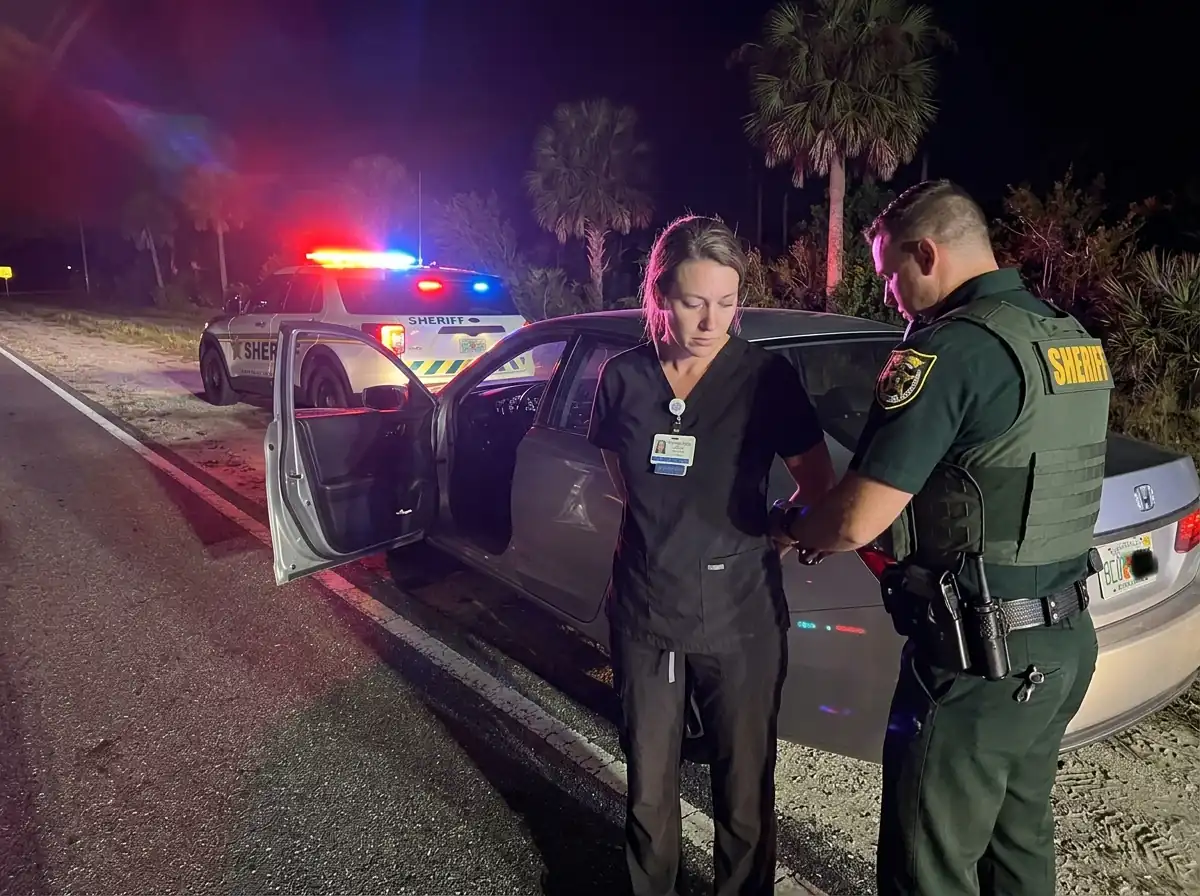


For most first-time DUI charges in Tampa, jail is possible but not required. Florida law sets a maximum of six months in jail for a standard first DUI, yet it sets no mandatory minimum, so judges in Hillsborough County often sentence a first offender to probation, DUI school, and community service instead of time behind bars. Whether you actually serve a sentence depends on the details of your case, and a few specific factors can change the answer quickly.
When is jail unlikely for a first DUI in Tampa?
If this is your first offense, your breath reading was under 0.15, no one was hurt, and there was no crash, a jail sentence is the exception rather than the rule. In those cases, Hillsborough County judges commonly impose some combination of up to twelve months of probation, 50 hours of community service, DUI school, a fine between $500 and $1,000, and a six to twelve month license revocation, without additional jail beyond the arrest itself.
Under Florida Statute § 316.193, six months is the ceiling for a first DUI, not a floor, which gives the court room to keep a first offender out of jail. None of that is automatic, though. The result still turns on how the case is handled from the start.
What makes jail more likely after a first DUI?
Certain facts raise your exposure well beyond a standard first offense, and some can turn a misdemeanor into a felony. A breath or blood reading of 0.15 or higher, or having a minor in the car, raises the maximum from six to nine months and adds a required ignition interlock device.
If the DUI involved a crash with property damage or a minor injury, it can be charged as a first-degree misdemeanor that carries up to a year. If someone suffered serious bodily injury, the charge becomes a third-degree felony under section 316.193(3), punishable by up to five years in prison, and a DUI that causes a death is prosecuted as DUI manslaughter, a far more serious felony. A prior record, even for something other than DUI, can also push a judge toward jail.
Will you still spend time in jail at the arrest?
Yes, at least briefly. After a DUI arrest in Hillsborough County, you are booked into the Orient Road Jail or the Falkenburg Road Jail, and you usually stay in custody for at least 8 hours, or until a first appearance, typically within 24 hours, where a judge sets your release conditions. So even in a case that ends with no jail sentence, you should expect to spend the hours right after the arrest in custody.
Can you avoid a DUI conviction and jail in Hillsborough County?
The surest way to stay out of jail is to keep a DUI conviction off your record in the first place. Eligible first-time offenders in Hillsborough County may qualify for the RIDR program (Reducing Impaired Driving Recidivism), which can reduce a DUI to reckless driving once the driver completes its requirements, a result that sidesteps the mandatory DUI penalties.
Beyond diversion, a first DUI often has real defenses. The traffic stop must have a lawful basis, the breath instrument must be properly maintained and calibrated, and field sobriety exercises must follow set procedures. When any of those breaks down, the charge can be reduced or dismissed.
And because a Florida DUI conviction can never be sealed or expunged, the decisions you make early carry weight for the rest of your life.
Talk to a Tampa DUI lawyer about your first offense
If you are facing a first DUI in Tampa, do not assume the outcome is out of your hands. Brian Palacios is a Tampa DUI and criminal defense attorney and a former State Prosecutor for Florida’s 13th Judicial Circuit, the same office that prosecutes these cases. He knows how the State decides what to charge and what to offer, and he uses that to keep clients out of jail and, whenever possible, out of a conviction.
If you or someone you love was arrested for DUI in Tampa or anywhere in Hillsborough County, call (813) 461-3457 for a free, confidential consultation.
Written by Brian Palacios, a Tampa DUI and criminal defense attorney and former State Prosecutor for Florida’s 13th Judicial Circuit. Reviewed and last updated October 2026.