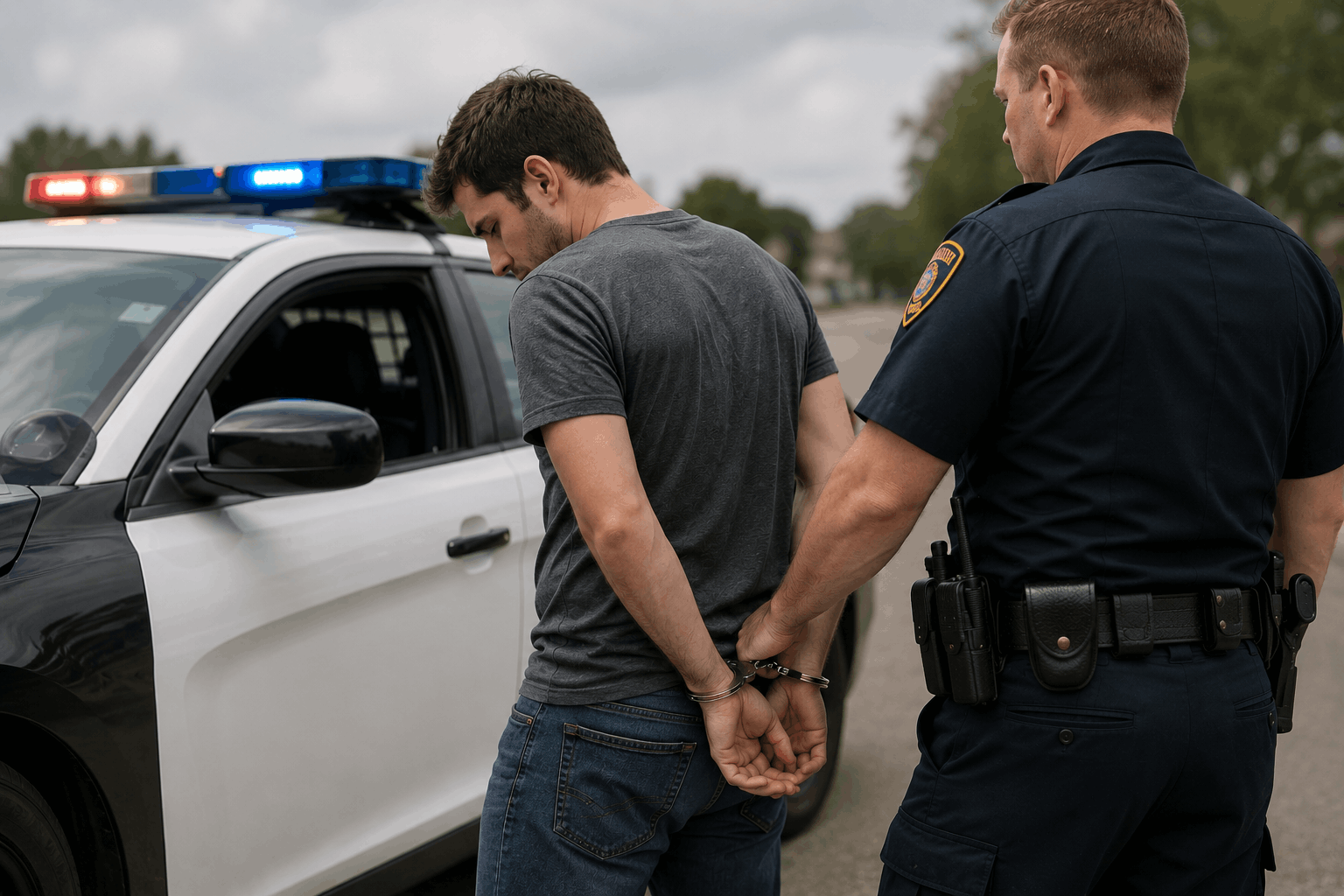


It’s a moment most people never expect to face. Blue lights in the rearview mirror, a few questions that seem to blur together, and before you know it, you’re sitting in the back of a patrol car wondering how everything changed so fast. A DUI arrest in Tampa can leave anyone feeling anxious, confused, and uncertain about what comes next. The truth is, the process that follows isn’t simple, but understanding each step can help you regain a sense of control and make smarter decisions about how to protect your future.
The First Hours After a DUI Arrest
After a DUI arrest in Tampa, things tend to move quickly. You’ll usually be taken to a local jail or detention center for booking. This process includes fingerprinting, a mugshot, and possibly a chemical test if one hasn’t already been completed at the scene. Most people are held until they sober up or until bond is set.
You’ll receive two critical documents before release: the citation or arrest report, and the Notice of Suspension if you either refused or failed a breath or blood test. This notice starts the clock on a 10-day window to request a DMV hearing with the Florida Department of Highway Safety and Motor Vehicles (DHSMV). Miss that deadline, and your driver’s license will automatically be suspended—often for six months or longer.
It’s worth emphasizing that this hearing is separate from your criminal case in court. It’s purely administrative, focused on whether your driving privileges should be restricted. Many people overlook it, but a skilled DUI attorney in Tampa can use this opportunity to challenge the legality of the stop, the accuracy of the breath test, and other procedural flaws.
The 10-Day Window and DMV Hearing
That 10-day period after your arrest might be the most important stretch of time in your entire case. During this window, your attorney can file a Formal Review Request to contest the suspension. If filed correctly, you’ll be issued a temporary driving permit that allows you to keep driving for up to 42 days while the hearing is pending.
At the DMV hearing, an officer from the DHSMV reviews evidence such as the arresting officer’s report, breath or blood test results, and witness statements. Your attorney can subpoena the officer, question their procedures, and highlight inconsistencies that might later benefit your criminal case.
Here’s what many people don’t realize: sometimes, the DMV hearing becomes a preview of your defense strategy. It’s not uncommon for mistakes revealed in that setting to help secure reduced charges or even a case dismissal down the line.
If the suspension is upheld, you may qualify for a hardship license, which allows limited driving for work or essential purposes. But you’ll need to complete DUI school and meet specific DHSMV requirements before applying. It’s a process that can be intimidating to navigate alone.
The Arraignment: Your First Court Appearance
Once your case moves into the court system, your first official step is the arraignment. This is where you’ll enter a plea—usually “not guilty” if you’re working with a defense attorney who wants time to review the evidence.
Many first-time defendants in Tampa assume pleading guilty early will make things easier. In reality, it often closes doors you didn’t know you had. An experienced DUI lawyer will first request all discovery materials: police bodycam footage, calibration logs for the breathalyzer, maintenance records, and field sobriety test reports. Each of these can reveal errors that might drastically change the outcome.
The arraignment is usually quick, but it marks a shift in tone. The case is now active, prosecutors are reviewing your file, and deadlines for motions and hearings start to roll out. From this point, every move matters.
Understanding the Evidence in a Tampa DUI Case
DUI cases are rarely as straightforward as they appear on paper. I’ve seen countless situations where breath test results seemed incriminating, yet deeper investigation exposed flaws. Breathalyzers must be properly calibrated, officers must follow specific 20-minute observation periods, and any medical condition—like acid reflux or diabetes—can interfere with readings.
Evidence typically includes:
- Breath, blood, or urine results showing your Blood Alcohol Concentration (BAC)
- Officer observations such as slurred speech, red eyes, or unsteady balance
- Field sobriety tests, which are subjective and prone to error
- Video or dashcam footage that may contradict written reports
A solid defense involves cross-checking every one of these elements. For example, if video footage shows you walking steadily, that can undermine the officer’s claim of impairment. If the traffic stop lacked reasonable suspicion, all evidence collected afterward could be suppressed. These cases are won and lost in the details, which is why a hands-on approach from a defense attorney can make all the difference.
Possible Outcomes After a DUI Arrest
The outcome of a DUI case in Tampa depends on several factors—your prior record, BAC level, and how strong the prosecution’s evidence is. Here are some common paths a case might take:
- Dismissal or Reduction: Under certain circumstances, your attorney may negotiate to have the DUI reduced to a lesser charge like reckless driving, especially if it’s a first offense.
- Pre-Trial Diversion: In some cases, especially for first-time offenders, Hillsborough County may offer a diversion program. Successful completion could result in reduction of the charge.
- Plea Agreement: If the evidence is strong but there are still mitigating factors, your attorney might negotiate for reduced penalties such as shorter probation or avoiding jail time.
- Trial: If negotiation isn’t an option or the evidence is disputed, your case can proceed to trial. DUI trials in Tampa can be bench or jury trials depending on your circumstances.
Each of these paths comes with unique implications for your record, insurance, and future employment. The key is acting early and strategically.
The Role of a DUI Attorney in Tampa
When someone calls my office after a DUI arrest, the first thing they usually say is, “I’ve never been through anything like this before.” That’s understandable. Florida’s DUI laws are complex, and the consequences are steep—license suspension, fines, possible jail time, and mandatory ignition interlock devices for higher BAC levels.
A knowledgeable DUI attorney does more than show up to court. They:
- Review the arrest for procedural errors
- File motions to suppress unlawfully obtained evidence
- Represent you at the DMV hearing
- Negotiate with prosecutors for charge reductions
- Advise on hardship licenses and DUI school requirements
Beyond the technical side, an attorney can help you understand the emotional and practical toll of a DUI. It affects your job, your family life, and how you move around the city. Having someone guide you through each step helps shift the process from chaos to clarity.
Life After a DUI Arrest
Once the legal dust settles, many people find themselves facing a mix of relief and uncertainty. What’s next? How do you move forward from this? The truth is, a DUI doesn’t define your future. It’s a difficult chapter, but it can also be a turning point.
For most clients, the focus shifts to rebuilding trust—with family, employers, and themselves. Completing DUI school, maintaining a clean record, and showing accountability all help. Insurance premiums will rise temporarily, but they can normalize over time.
Here are a few practical steps to take after resolving your case:
- Complete all court-ordered requirements quickly to avoid violations
- Keep documentation of everything you finish—classes, community service, fines
- Check your driving record regularly for accuracy
- Explore sealing or expungement options if you qualify
- Seek professional support if alcohol use contributed to the arrest
It’s never too late to make a positive turn. I’ve seen clients who came out of a DUI more disciplined and self-aware than ever before.
How Tampa’s DUI Process Differs from Other Florida Counties
Tampa, located in Hillsborough County, handles DUI cases through its county court system, and local policies can differ from neighboring areas like Pinellas or Pasco. Hillsborough tends to have active law enforcement DUI patrols and uses both stationary checkpoints and mobile units. The State Attorney’s Office here often weighs reduction requests carefully, so the defense strategy must be airtight.
Unlike some smaller counties, Tampa courts use advanced video systems for evidence presentation, and prosecutors have quick digital access to police bodycam footage. That means defense attorneys need to act fast to request, preserve, and analyze this footage before it’s overwritten or lost.
Understanding local tendencies is crucial. For example, certain judges are more inclined to approve treatment-based sentences for first-time offenders, while others focus heavily on deterrence. Experience with Tampa’s specific courtroom dynamics often influences outcomes as much as the facts themselves.
The Emotional Side of a DUI Arrest
It’s easy to focus only on the legal parts—hearings, fines, tests—but the emotional side of a DUI arrest can hit just as hard. People describe the experience as humbling, stressful, and sometimes isolating. You might feel judged, even if it’s your first mistake.
The important thing to remember is that the justice system isn’t designed to ruin your life; it’s designed to correct behavior and protect public safety. With the right legal and personal approach, most people recover fully. Taking responsibility, showing genuine remorse, and demonstrating change can help judges and prosecutors see the person behind the charge.
On a human level, forgiveness starts when you decide to move forward, not when the case closes.
Final Thoughts
A DUI arrest in Tampa can feel like the ground has shifted beneath you. But with clear guidance and strong representation, it’s possible to stabilize, rebuild, and move ahead with confidence. Every case has nuances—procedural errors, testing issues, or unique personal factors—that can make a real difference in how it resolves.
At Brian Palacios Law, we focus on helping people navigate that path. As a former prosecutor and experienced Tampa DUI attorney, Mr. Palacios understands both sides of the courtroom and how to protect your rights from the moment of arrest to the final resolution. Whether you’re facing your first DUI or a repeat charge, the goal is the same: to safeguard your freedom, your record, and your future.
Because what happens after a DUI arrest doesn’t have to define your story—it’s how you respond that matters most.